
How to price your home right when buyers have more choice
Buyers currently have more homes to choose from than at any point in over a decade, and that chan...
Buyers currently have more homes to choose from than at any point in over a decade, and that changes how sellers should approach pricing. Rightmove reports that the number of homes for sale has reached a 12-year high, whilst buyer enquiries are down 9% on a year ago. Add average fixed mortgage rates of close to 6%, and it is clear that today’s buyers are comparing carefully. For sellers, the advice from estate agents in Old Town is simple: price realistically from day one.
What is happening in the wider market?
The Bank of England held the base rate at 3.75% on 16 September, with the next decision due on 5 November. According to Moneyfacts, the average two-year fixed rate is 5.93% and the average five-year fix is 5.96%. Higher borrowing costs limit what buyers can offer, and with more stock available, they are less likely to stretch for a home that feels overpriced.
How is the Swindon market performing?
Locally, the picture is steadier. The latest official figures from the ONS put the average price across Swindon at around £264,000, up 2.6% on a year earlier, whilst prices across the South West as a whole were broadly flat. These are borough-wide figures rather than Old Town alone, but they suggest that demand in the area is holding up better than in much of the region.
How should you price a character or period home in Old Town?
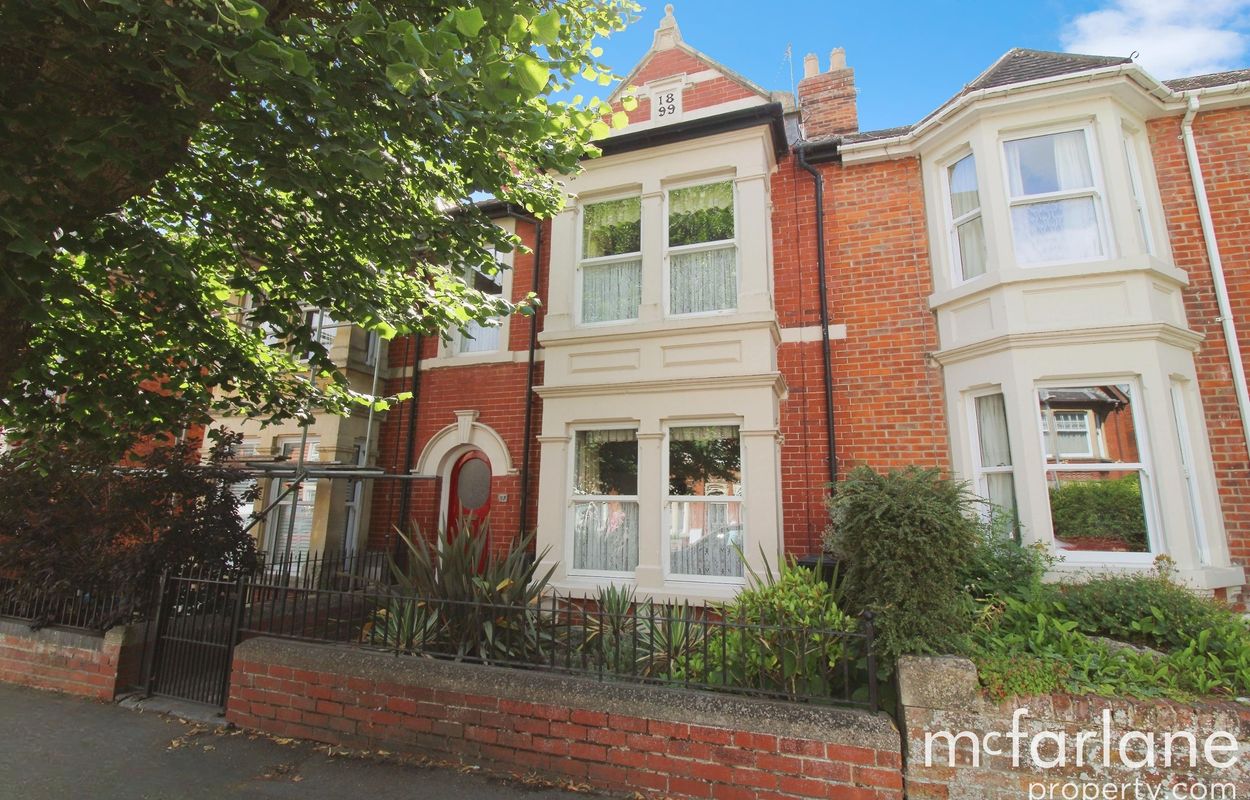
Old Town’s Victorian terraces, stone cottages and period townhouses have real appeal, but character alone does not set the price. Buyers will weigh original features against practical matters such as heating, parking, outside space and the cost of any updating. A realistic valuation looks at recent sales of comparable homes nearby, not just the asking prices of others on the market. If your home has unusual features, such as a larger garden or a thoughtful extension, a local agent can judge how much of a premium buyers will genuinely pay.
What do buyers value about living in Old Town?
Understanding why people choose Old Town helps you market your home to the right audience. Buyers are often drawn by the area’s independent shops, cafés, pubs and restaurants, and by its character streets, which feel quite different from newer estates. Town Gardens, a Victorian park first opened in 1894, is a real asset, with its bandstand, walled rose garden and Art Deco concert bowl that hosts outdoor events through the warmer months. If your home is within an easy walk of the park or the main streets of shops and restaurants, say so clearly in your listing, with realistic walking times. Families will also want to know about nearby schools, so it is worth checking catchment areas before you market your home and sharing accurate information with buyers. Every buyer weighs these things differently, but describing the lifestyle as well as the bricks and mortar helps people picture themselves living there.
Why do the first two weeks on the market matter so much?
The first fortnight is when your home gets the most attention. Buyers who have been searching for a while will see it straight away, and many will decide quickly whether to book a viewing. If the price looks too high, they may simply wait for a reduction or move on to another property. Pricing correctly at the start tends to create early interest and stronger offers, whereas a home that sits unsold for weeks can start to look stale, even when nothing is wrong with it. A later price reduction can help, but it rarely recaptures the excitement of a strong launch, and some buyers will assume the seller is under pressure and offer lower as a result.
What presentation steps make the biggest difference?
Small changes often have the greatest impact. Before you list, consider:
- Clear clutter from rooms so buyers can envision their own furniture
- Tidying the front garden and freshening the front door
- Fixing minor repairs that might otherwise raise questions at a viewing
- Making the most of natural light for photographs.
Good photography and an accurate floorplan matter just as much, because most buyers decide whether to view from what they see online.
What paperwork should you prepare before listing?
Having your paperwork prepared before listing can save weeks once an offer is accepted. Sales often stall because information is missing, and in a market where buyers have plenty of choice, delays give them time to reconsider. Before you list, make sure you have a valid Energy Performance Certificate, which you need before marketing your home. Gather proof of identity and ownership too, so your agent and solicitor can complete their checks without delay. It also helps to pull together guarantees, building regulations sign-off and any planning paperwork for extensions or alterations, along with recent boiler service records and certificates for any electrical work. You will be asked to complete property information forms covering boundaries, disputes, fixtures and fittings, so filling these in early, while you have time to check the details, avoids rushed answers later.
Period homes in Old Town often have a long history of updates, and buyers’ solicitors will ask about them. If you live in a listed building or within a conservation area, records of consent for past works are particularly important. Instructing a solicitor at the point you list, rather than after an offer is accepted, means you can answer questions promptly and keep your buyer committed.
Shaun Picken of McFarlane commented:
‘When buyers have plenty of choice, the homes that sell are the ones that are priced honestly and presented well from the very first day. We’d always rather set a realistic figure and create genuine interest than start high and chase the market down.’
If you are thinking of selling in Old Town this autumn, our local team at McFarlane’s can give you an honest valuation based on recent sales and current demand, along with practical advice on presenting your home. Get in touch with McFarlane today to book your valuation.